
Magnesium And Melatonin: Should You Take Them Together For Sleep?
7 Aug 2026
Key Takeaways
- Melatonin and magnesium use different mechanisms, where melatonin deals with timing, while magnesium facilitates relaxation.
- According to the literature, magnesium glycinate is believed to be the best form to combine with melatonin.
- The recommended dose is 200- 400 mg of magnesium with 0.5- 3 mg of melatonin.
- Such a combination is usually well tolerated when started at small doses.
- This combination might help with sleep onset and maintenance throughout the night.
You finally fall asleep, only to find yourself wide awake in the middle of the night, staring at the ceiling and wondering why you can't drift back to sleep. If that sounds familiar, you've probably looked into different sleep supplements in the hope of getting a full night's rest.
Melatonin is one of the most popular options because it helps signal to your body that it's time to sleep. Magnesium, on the other hand, is known for helping your muscles and nervous system relax. Since they support sleep in different ways, it's only natural to wonder whether taking them together could help you sleep better than using either one alone.
The answer isn't as simple as a yes or no. It depends on how these supplements work, when you take them, and whether they're the right fit for your sleep concerns.
Before adding them to your bedtime routine, it's worth understanding what each one does and how they may work together to support better sleep.
Table of Contents
- Why Pair Magnesium With Melatonin
- What Each One Actually Does
- The Synergy for Sleep
- Best Form of Magnesium
- Dosage & Timing for the Stack
- Side Effects & Safety
- Who Benefits / Who Should Avoid
- Two Nutrients, One Goal
- FAQs
Why Pair Magnesium with Melatonin
There are two major types of sleep troubles: inability to fall asleep and inability to stay asleep. Melatonin is meant to help with the former, while magnesium is meant to help with the latter.
In fact, it’s not about picking one solution in favor of another: a lot of people form a natural sleep stack consisting of both magnesium and melatonin. The reason is that the two mechanisms function differently, and thus don’t interfere.
This trend has been gaining momentum with those whose attempts with individual supplements have failed. It turns out that balancing between time and relaxation is much better than constantly raising the dose.
What Each One Actually Does
Melatonin is used for signaling purposes. It is secreted by your brain's pineal gland when exposed to darkness in order to help your body know it is time to relax.
The action of magnesium is different from melatonin. Magnesium assists in the function of GABA, a neuroinhibitor that helps reduce thoughts and nervous excitement. This nutrient is responsible for more than 300 biological reactions within your body, and a number of them have to do with muscle relaxation.
Apart from GABA production, magnesium regulates cortisol – the main hormone of the stress reaction in the body. High levels of cortisol at nighttime may disturb sleep both in terms of falling and remaining asleep.
Both nutrients do not work independently but in connection with other processes in the body. Long-term stress, improper nutrition, and sleep schedule may reduce your magnesium levels, thus explaining its impact on restless sleep during hectic weeks.
One should get more insight into the importance of melatonin in the sleeping process, where you will find information about melatonin and its mechanism of action.
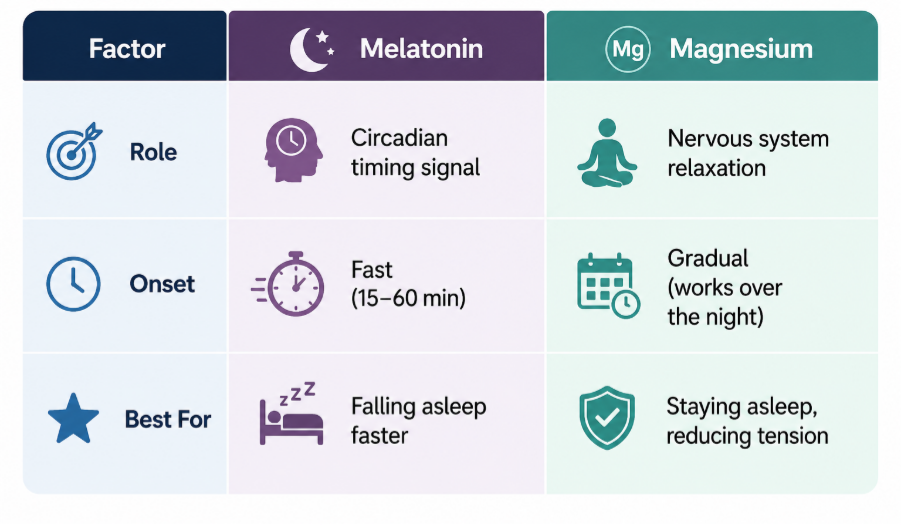
Here’s a side-by-side comparison between both supplements:
The Synergy for Sleep
The difference between magnesium vs melatonin for sleep isn’t necessarily about determining which one is better; rather, it’s about understanding that each serves a different purpose.
Melatonin gets your body ready for sleep onset, whereas magnesium ensures your body is relaxed enough to stay asleep. The benefits of magnesium and melatonin complement each other since the two address more issues related to sleep than each one individually.
If timing the melatonin is important for you, reading more on timed-release vs. fast-acting melatonin can be useful in understanding when each formula can be taken.
Best Form of Magnesium
Magnesium doesn't act in the same way inside the body. This is why, when stacking them, you have to pick carefully.
First, magnesium glycinate is thought to be one of the best magnesium for sleep. This supplement binds with the amino acid glycine, which is easily absorbed by the body and does not cause any negative reactions, and also provides its relaxing effect.
Magnesium citrate is another magnesium that is relatively well absorbed; however, it attracts water into the intestines and may lead to gastrointestinal issues during high evening dosages. Magnesium oxide is a widely used and inexpensive magnesium with bad absorption in the body.
If you need a highly absorbable magnesium, try Liposomal Magnesium Bisglycinate 400mg, which is absorbed with the help of liposomal technology. 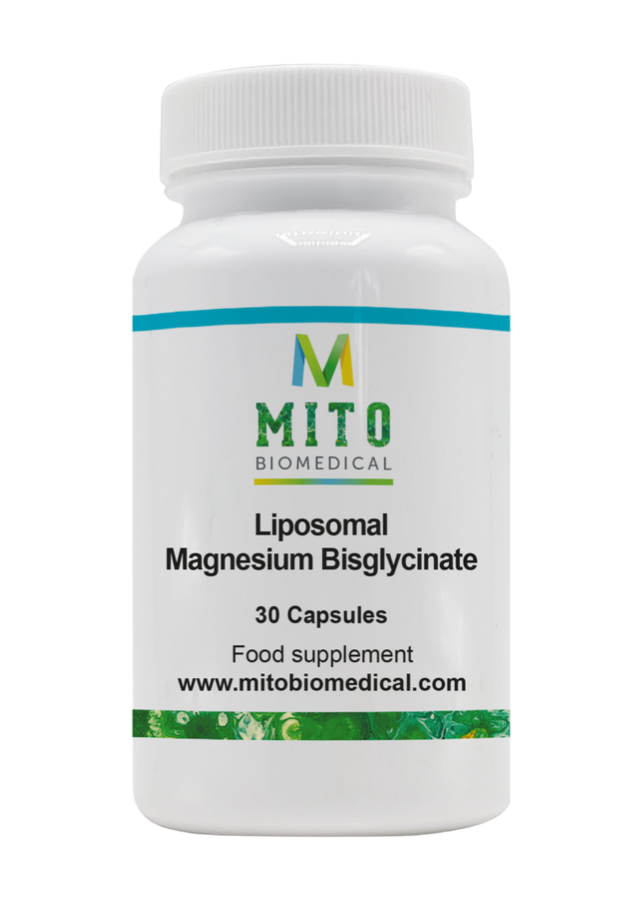
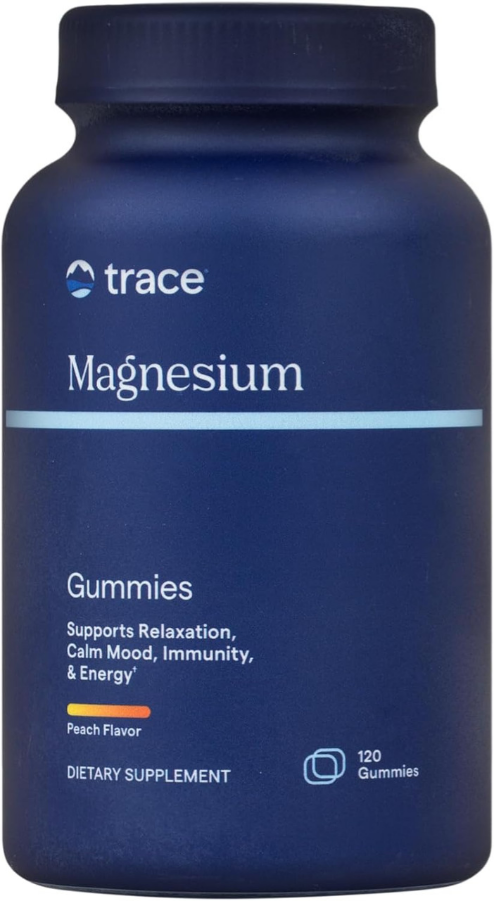
For those who dislike capsule supplements, there are Magnesium Gummies 84mg, which are available in three flavors. "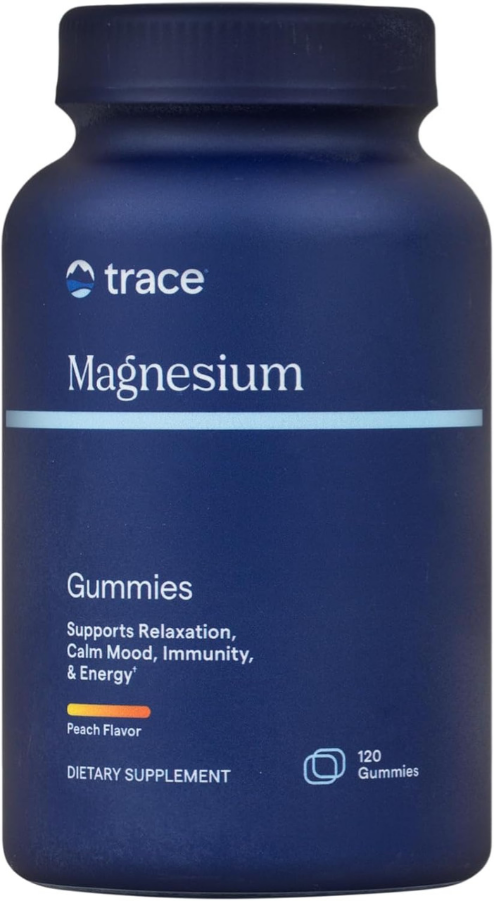
Dosage & Timing for the Stack
Finding the proper magnesium and melatonin dosage can make all the difference in how effective the two supplements will be.
For melatonin, a typical starting dose for adults is 0.5mg to 3 mg, about 30 to 60 minutes before bedtime. For magnesium, 200mg to 400mg of magnesium is typical, ideally an hour to two before bedtime. The magnesium should preferably be taken on an empty stomach if the form used is glycinate.
Knowing the appropriate timing of when to take magnesium and melatonin plays just as critical a role as the correct dosing does since taking the two apart from each other by a certain period allows the two substances to complement your body's normal function, rather than hinder it. A dosage guide can corroborate the dosage advice for melatonin.
It would be wise also to keep other aspects of your routine steady while adding this stack to your regimen. Having a dark and cool bedroom as well as a steady bedtime will help the supplements reinforce what you are aiming for, rather than work against it.
Side Effects & Safety
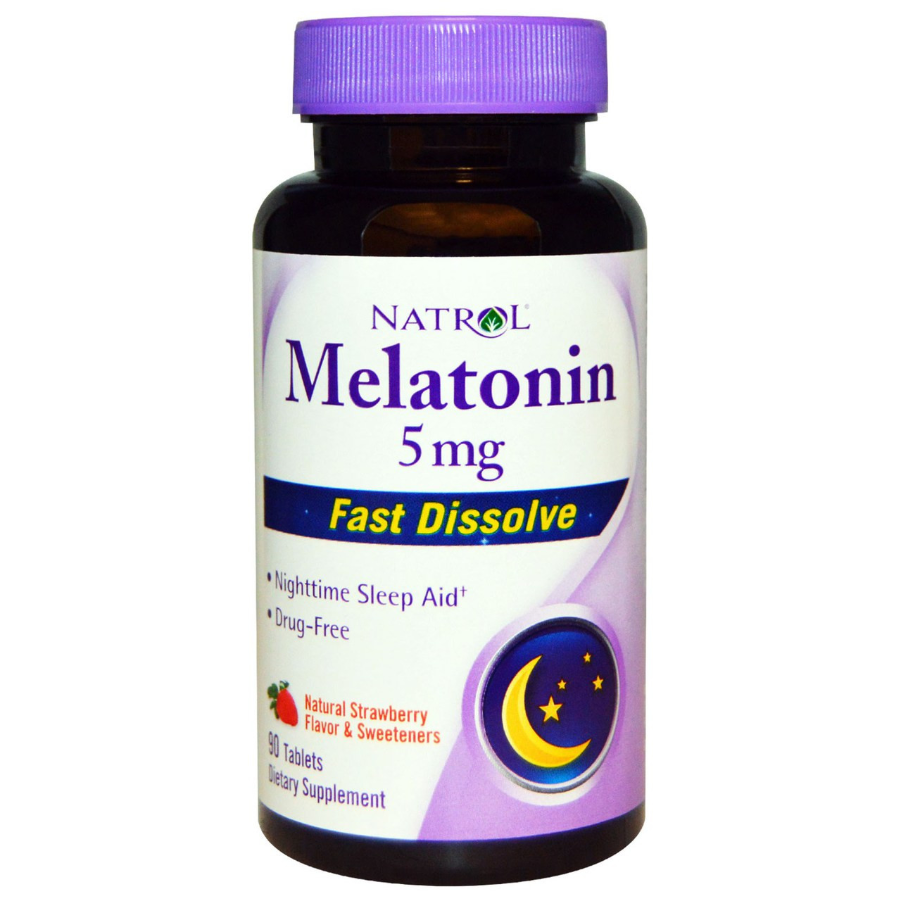
Does magnesium help you sleep without any associated risks? Yes, generally speaking, although side effects remain possible.
Magnesium melatonin side-effects usually consist of feeling drowsy because of melatonin, or sometimes diarrhea because of magnesium, more likely if a person takes larger doses or magnesium that is not well absorbed.
In 2023, a systematic review about magnesium supplementation for sleep disorders found that there was a correlation between magnesium status and sleep in observational studies.
Although randomized controlled trials proved to have a less clear relationship — just another proof that different people can have different effects. It is always recommended to start with small amounts of both supplements and increase them gradually.
Monitoring your state during the first days or weeks will help you adjust the regimen better. If you experience any negative consequences such as feeling drowsy or any stomach issues, reducing the dose of one supplement before another will help you understand the cause of that problem.
Who Benefits / Who Should Avoid
Such a combination proves useful for people who have no problem falling asleep but tend to wake up during the nighttime or who have some trouble with occasional stress-induced insomnia, along with an irregular sleep schedule.
On the other hand, the combination may not be beneficial for people suffering from kidney problems because they have to eliminate magnesium from their bodies, and for people who take medications that interfere with either of these supplements.
Two Nutrients, One Goal
Melatonin and magnesium are not alternative answers; they complement each other by solving separate aspects of sleep.
Beginning the treatment with small amounts and appropriate intervals and selecting a proper magnesium source will increase the chances that they will help you get through the whole night without problems.
To start your regimen of both these supplements, start building your sleep stack, and researching more on this topic, you can browse here for the best advice on Magnesium and Melatonin by Vitasunn.
FAQs
Can I combine magnesium and melatonin?
Yes. These supplements have different mechanisms of action and do not usually affect the efficiency of each other.
Is it okay to take both magnesium and melatonin every day?
Generally, yes, for healthy individuals; however, it is worth consulting with a doctor about their combination.
What type of magnesium should I take for sleep along with melatonin?
Magnesium glycinate is recommended by most people as the most bioavailable kind.
What magnesium dosage should I take with melatonin?
It is usually 200-400 mg magnesium in combination with 0.5-3 mg melatonin.
How many hours before sleep should I take both supplements?
Magnesium can be consumed one to two hours before sleep, while melatonin is taken thirty to sixty minutes before sleep.
How do magnesium and melatonin differ?
While melatonin regulates sleep time, magnesium helps to relax.
Is magnesium making melatonin more effective?
While magnesium does not enhance its effectiveness, they together cover more aspects of the sleep process compared to when used individually.
Can there be any side effects from using the two drugs together?
These include possible drowsiness or stomach problems the following day, especially if one takes high dosages of the two drugs.
Will the combination have the effect of staying asleep?
Yes – since magnesium makes one relax and melatonin helps in sleep onset.
Whom is this combination inappropriate for?
This is inappropriate for people with kidney disorders, pregnant or breastfeeding women, and those using sedatives.